Shipping Guide · May 23, 2026
LBC Prohibited Items List: What You Can’t Ship (and Traps to Avoid)
Confused about LBC shipping restrictions? Read the complete LBC prohibited items list, sneaky restricted goods (power banks, perfumes, liquids), and hub X-ray rules.
💡 One-Line Information Gain Statement
Unlike basic courier guidelines, this guide exposes LBC’s distinct hub scanning techniques, identifies chemical scent triggers that flag organic goods in sorting hubs, and maps out the exact packaging procedures required to safely ship “gray area” items.
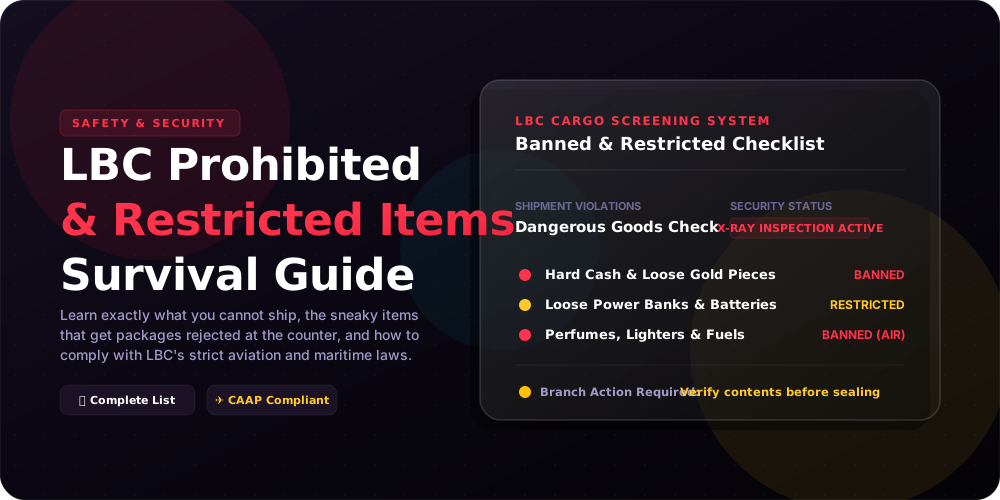
The absolute quickest way to ruin your day is having an LBC branch associate tell you to unpack your carefully taped box right there at the counter. To comply with aviation laws and safety rules, LBC prohibited items include cash, jewelry, ammunition, flammable liquids, loose lithium batteries, live animals, and perishable foods. If your package contains any of these banned items, LBC will reject it instantly at drop-off, or worse, hold it at a sorting hub.
Here is the thing: most people don’t find out their item is banned until they are already standing in line at the branch, tape gun in hand. I’ve been there. I once tried to ship a gorgeous set of aromatic essential oils from Manila to my cousin in Davao via First-Class shipping, only to be told it was a major fire hazard.
Whether you are an OFW sending a heavy Balikbayan box home, an online seller fulfilling orders, or just sending a quick padala to a relative, knowing what is banned in LBC saves you time, money, and embarrassment.
The Complete LBC Prohibited Items List (The Non-Negotiables)
LBC has to follow strict safety rules set by the Civil Aviation Authority of the Philippines (CAAP), the Bureau of Customs Philippines, and international maritime laws. If a package goes on an inter-island flight or sea transit, it gets thoroughly scanned.
Here is the official breakdown of what cannot go inside an LBC box or X Pack.
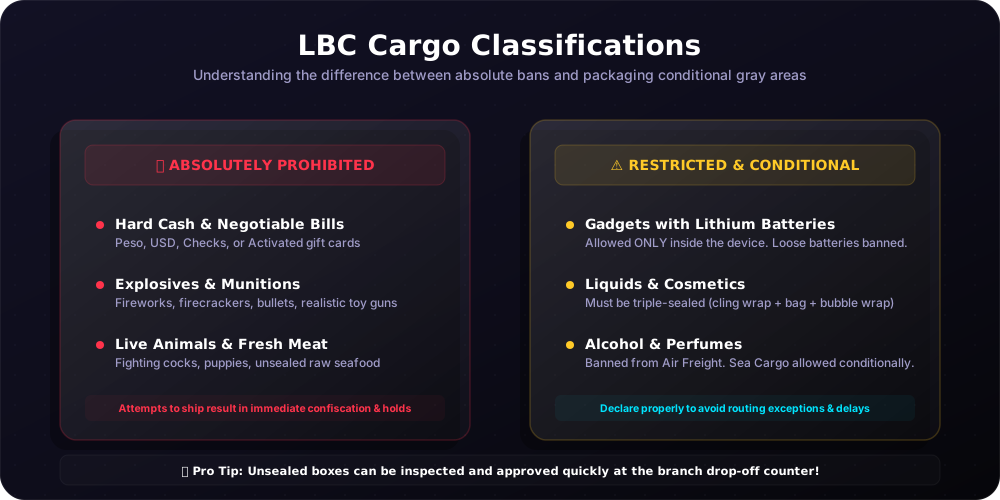
Dangerous Goods and Hazardous Materials
These items pose an immediate safety risk to delivery riders, warehouse staff, and cargo planes.
- Explosives & Ammunition: Fireworks, firecrackers, bullets, and even toy guns that look too realistic.
- Flammable Liquids & Solids: Paint, thinner, gasoline, lighter fluid, alcohol-based perfumes, and nail polish remover.
- Gases: Aerosol sprays, spray paint, lighter refills, and butane canisters.
- Corrosives & Toxins: Bleach, battery acid, pesticides, and liquid disinfectants.
Illegal Goods, Contraband, and Restricted Items
If it breaks the law to own it, it breaks the law to ship it.
- Illegal Drugs: Narcotics, unregistered medicines, and controlled substances.
- Weapons: Swords, large tactical knives, brass knuckles, and unregistered firearms.
- Counterfeit Items: Mass quantities of fake designer bags or pirated media intended for resale.
High-Value Items and Cash
LBC is a logistics network, not a bank. They explicitly ban putting untraceable fortunes inside regular parcels.
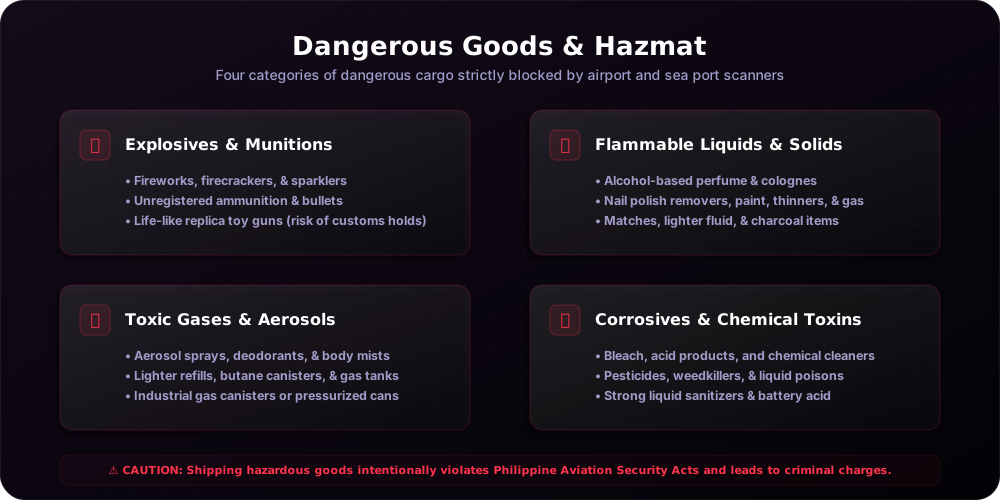
- Hard Cash: Philippine Peso notes, coins, or foreign currency (use regular money remittances for this!).
- Negotiable Instruments: Checks, bonds, stock certificates, or activated gift cards.
- Precious Metals & Gems: Uninsured gold bars, loose diamonds, and incredibly expensive fine jewelry.
Perishables and Live Animals
Because standard delivery networks don’t feature refrigeration, sending these items introduces major health and sanitation hazards.
- Fresh Meat & Seafood: Raw pork, beef, fish, or poultry that will spoil within hours.
- Live Animals: Puppies, fighting cocks, fish, spiders, or any living creature.
- Unsealed Cooked Food: Home-cooked meals packed in simple Tupperware that can leak or ferment during transit.
Sneaky Items That Will Get Your Package Rejected at the Counter
Most guides skip the “gray area” items. These aren’t necessarily bombs or illegal drugs, but they fall under strict LBC shipping restrictions and trip up thousands of kababayans every week.
Trust me on this one—check your bags for these sneaky items before leaving the house:
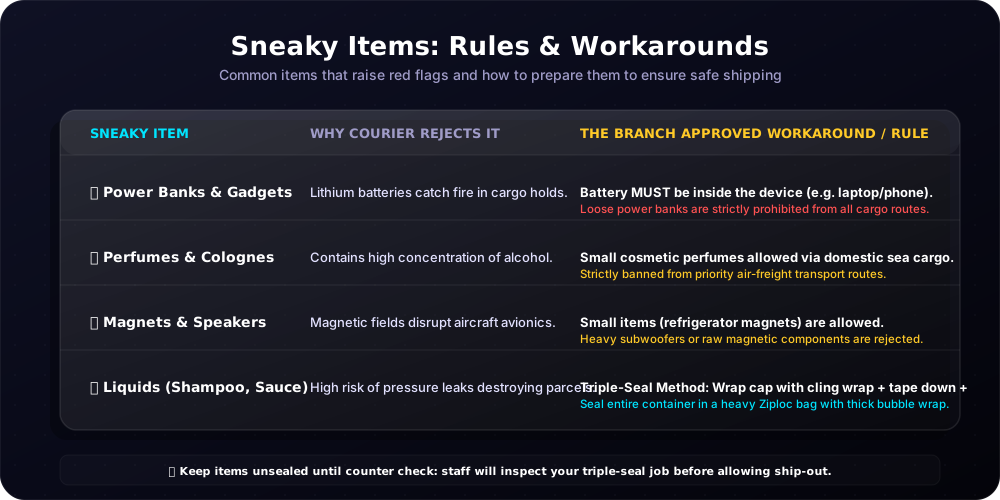
- Power Banks & Gadgets: Lithium-ion batteries can overheat and catch fire in cargo holds. The battery must be inside the device (e.g., a phone). Loose power banks are entirely banned. If you are shipping electronic products, always declare them properly and ensure bank transfers clear cleanly before dispatch.
- Perfumes & Colognes: They contain high percentages of flammable alcohol. Small bottles can sometimes travel via sea cargo, but they are strictly banned from priority air freight.
- Magnets: Strong magnetic fields mess with aircraft navigation equipment. Small fridge magnets are fine, but industrial speakers or heavy magnets will be flagged.
- Liquids (Shampoo, Lotion): Caps pop off due to air pressure changes, damaging other parcels. Wrap the caps in plastic cling wrap, tape them down, and seal the entire bottle in a Ziploc bag.
How LBC Catches Prohibited Items (Behind the Scenes)
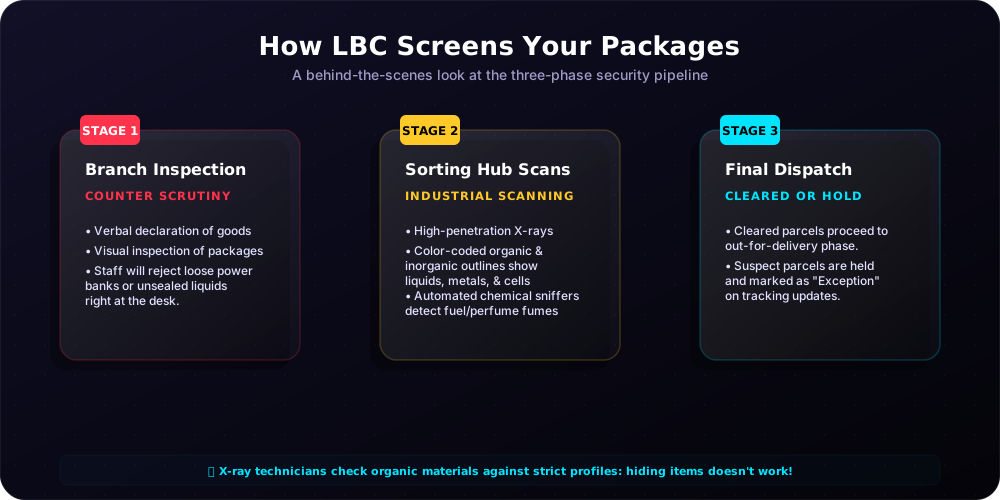
Don’t assume that just because you taped your box shut at home, nobody will notice the bottle of high-proof rum hidden in the middle. I’ve talked to several branch associates over the years, and their screening system is incredibly thorough.
First, when you prepare for a branch drop-off counter visit, the staff will often ask to see what’s inside before sealing the box. Second, even if you drop off a pre-sealed box, it passes through massive industrial X-ray machines at the major sorting hubs (like the ones in Pasay or sea cargo ports).
Organic materials, liquids, batteries, and dense metals show up as distinct colors on an X-ray screen. If a technician spots a suspicious silhouette, your package gets pulled out of the line immediately.
Real-World Scenarios: When Things Go Wrong
To see how these rules play out on actual routes, let’s look at three specific situations where senders ran into trouble.
Scenario 1: The Balikbayan Box Heartbreak (Dubai to Quezon City)
An OFW named Grace packed a jumbo Balikbayan box from Dubai bound for her family in Quezon City. To maximize space, she tucked three high-end branded perfumes and two standalone power banks into the pockets of winter coats she was sending home.
During the transit screening process, the lithium batteries were flagged. Because it was an international LBC tracking guide nightmare in the making, the entire box was held up at the international hub. LBC had to contact Grace, open the box, remove the prohibited batteries, and repack it. The mistake cost her family an extra three weeks of delivery delays.
Scenario 2: The E-Commerce Disaster (Makati to Tuguegarao via Priority Delivery)
An online seller based in Makati sold a vintage collectible lighter and fluid set on Facebook Marketplace. She used LBC Priority Delivery to send it to a buyer in Tuguegarao, expecting a 1–2 day turnaround. She marked the declaration form simply as “Gift Items.”
At the sorting facility, the volatile lighter fluid triggered chemical scanners. LBC confiscated the flammable liquid, marked the tracking status as an exception, and the seller had to handle an angry buyer demanding a refund. It’s a classic example of why our shipping guide for online sellers always warns against hiding flammable goods.
Scenario 3: The Inter-Island Liquid Dilemma (Manila to Cebu First-Class)
Ever tried sending homemade sauce to a relative? A sender dropped off an X Pack containing glass jars of specialized crab paste (tababa) from Manila bound for Cebu via First-Class cargo.
The jars weren’t sealed properly against cabin pressure changes. Midway through transit, the lids leaked, soaking the cardboard box and seeping onto adjacent packages. LBC stopped the shipment entirely. The sender didn’t just lose the paste; they had to settle damages for ruining someone else’s package. If you are curious about regular timelines for non-leaking items, see our LBC delivery times guide post.
What Happens If LBC Finds a Prohibited Item in Your Box?
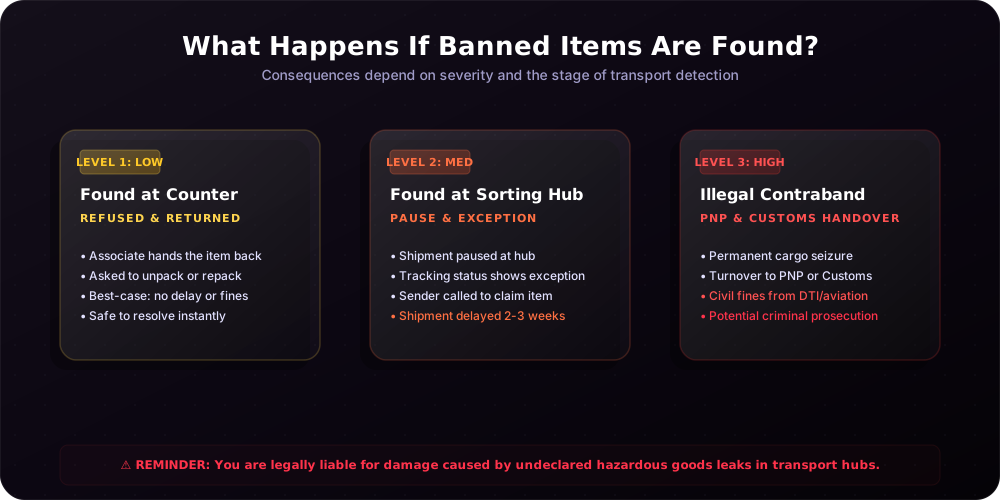
If a banned item is discovered, the consequences depend heavily on how dangerous the item is.
- At the Counter: The associate will hand the item back to you and say it cannot be shipped. This is the best-case scenario.
- At the Sorting Hub (Non-Dangerous): If they find something like an undeclared bottle of lotion or a loose battery, they will pause the shipment. You will see a delay on the LBC Express package tracking page. They will call you to come claim the banned item, or they will remove it and ship the rest of the legal contents.
- Illegal Contraband: If LBC discovers illegal drugs, unlicensed firearms, or dangerous explosives, they won’t call you to fix it. They will seize the package permanently and hand it over to the Philippine National Police (PNP) or the Bureau of Customs for criminal investigation.
⚠️ Important Note: Intentionally hiding dangerous goods inside a shipment violates Philippine transportation laws. You can face hefty fines from regulatory bodies like the Department of Trade and Industry (DTI) or aviation authorities if your package damages an aircraft or injures cargo handlers.
How to Properly Declare Your Items to Avoid Delays
To make sure your package travels smoothly across regional boundaries, follow this simple process at the branch:
Step 1: Itemize your goods at home. Write a quick checklist of everything going into the box.
Step 2: Keep the box unsealed if you are shipping electronics, liquids, or brand-new high-value merchandise.
Step 3: Tell the LBC associate exactly what you are sending. Use specific words like "Cotton t-shirts" instead of "Apparel."
Step 4: Pack liquids using the triple-seal method: wrap the cap, bag it, and cushion it with bubble wrap.
Step 5: Fill out the LBC declaration form completely and ensure the declared value matches reality for insurance purposes.
If you are ever unsure whether an item is allowed, check out the LBC tracking statuses explained or use the official LBC branch locator to find a nearby branch where you can ask an expert associate face-to-face.
Frequently Asked Questions (FAQs)
Can I ship cellphones or laptops through LBC?
Yes, you can ship cellphones and laptops through LBC, but the device must have its lithium battery securely installed inside the chassis rather than packed loosely. I always tell people to declare these items properly and pay the extra insurance fee because electronics are highly vulnerable to shipping accidents.
What happens if my package is held because of a prohibited item?
LBC will put a temporary hold on your shipment and update your status to reflect a delivery exception. You should immediately contact LBC customer service or call their Metro Manila hotline at 8-585-999 to find out which specific hub is holding your package and how you can reclaim your items.
Can I send liquid items like lotion, shampoo, or perfume through LBC?
You can send non-flammable liquids like lotions and shampoos domestically via sea cargo, provided they are double-bagged and taped down securely. However, alcohol-based perfumes are strictly banned from air freight and will be rejected if you attempt to send them on priority flight routes.
Is it okay to ship jewelry or gold pieces using standard LBC services?
No, it is highly risky and generally prohibited to ship high-value fine jewelry or loose gold through standard, un-insured cargo channels. For expensive items, you must explicitly declare the item’s true value, provide original receipts, and use premium, insured service tiers to protect against loss.
Can I ship local food items like dried fish (tuyo) or lechon?
You can ship thoroughly dried, vacuum-sealed food items like tuyo, but raw, perishable meats like freshly cooked lechon are banned because LBC warehouses do not feature climate-controlled refrigeration units. If you try to sneak unsealed food into an X Pack, it will likely spoil, smell, and be thrown out at the sorting hub.
Can I use the regular LBC tracker to see if my package was seized?
Yes, the free LBC tracker will show you if your parcel has stopped moving or if its status changes to an unusual exception. If you notice your tracking hasn’t updated for more than three days at a central sorting facility, read our guide on what to do if LBC tracking isn’t updating to get things sorted out.
🔗 Related Guides & Reading
If you want to read more about specific LBC Tracking guides, check out our latest articles:
- LBC Cash on Pick-up (COP) Guide — Master how to safely send, receive, and clear cash returns at standard branches.
- How to Find Your LBC Tracking Number — Learn the easiest methods to locate your tracking number from a receipt or online transaction.
- LBC Cash on Delivery (COD) Buyer Guide — Learn how standard courier COD options operate compared to branch pickups.
- What to Do If LBC Tracking Is Not Updating — Steps to take if your shipment status feels stuck or unresponsive.
Verified against LBC Express Official Support published operational schedules and terms of service.